
Metal stiffener PCBs have emerged as an indispensable solution for flexible circuit designs that require enhanced mechanical strength, stable assembly, and long-term durability. By reinforcing specific areas of a flexible PCB, metal stiffeners effectively prevent deformation, boost connector reliability, and facilitate automated soldering processes. Currently, leading manufacturers such as I-tech Electronics Co., Ltd. offer cost-effective metal stiffener PCB fabrication services. The unit price typically ranges from $0.12 to $0.35, depending on factors including material type, thickness, and batch volume. For engineers engaged in the development of battery tabs, FPC connectors, or wearable electronics, gaining a thorough understanding of how metal stiffener PCBs function is critical to making sound design decisions and ensuring manufacturing success.
1.Introduction to Metal Stiffener PCBs
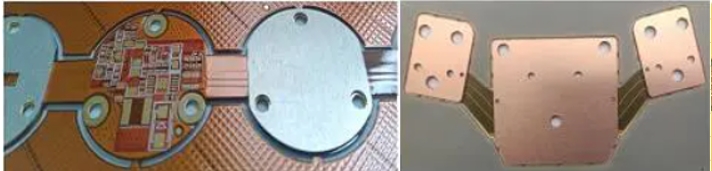
A metal stiffener PCB refers to a flexible printed circuit board (FPC) that is reinforced with a metal plate in specific regions where enhanced rigidity is required. Typically, the metal stiffener is applied beneath connectors, solder pads, or mounting areas to boost reliability during the assembly process. Importantly, these stiffeners do not conduct electrical signals; instead, they serve an exclusively structural function—proving particularly valuable in ultra-thin devices, foldable displays, and wearable IoT modules.
2. How Metal Stiffener PCBs Work
Metal stiffener PCBs rely on mechanical reinforcement to redistribute stress across targeted zones. When an FPC undergoes bending or handling, stress concentrates on solder joints and connectors. Metal stiffeners:
§ Support external loads
§ Prevent bending fatigue
§ Increase assembly longevity
This reinforcement also stabilizes the PCB during SMT reflow, improving connector coplanarity and solder joint reliability.
3. Common Materials Used for Metal Stiffener PCBs Metal stiffeners are typically manufactured from:
Aluminum
§ Lightweight
§ Cost-effective
§ Good thermal conductivity
Stainless Steel
§ Higher rigidity
§ Better for high-temperature environments
§ Preferred for automotive and aerospace industries
Copper
§ Excellent thermal conduction
§ Rarely used due to cost and weight
Material selection depends on thickness, rigidity, operating temperature, and cost.
4. Key Benefits of Using Metal Stiffeners in PCBs
Metal stiffeners offer multiple advantages:
§ Enhanced mechanical rigidity
§ Improved solder joint strength
§ Stable SMT assembly
§ Prevention of deformation and bending
§ Better connector alignment
Engineers often specify metal stiffeners in battery pack circuits and FFC connectorregions.
5. Typical Applications of Metal Stiffener PCBs
Metal stiffeners are widely used in:
§ Flexible OLED displays
§ Smart wearables (smartwatches, fitness bands)
§ Medical sensor probes
§ Automotive infotainment modules
§ Aerospace control interfaces
§ Smartphone battery tabs
Any device with repeated flex cycles benefits from stiffener support.
6. Metal Stiffener PCB Manufacturing Process
The typical production steps include:
§ Material preparation
§ Precision cutting (laser or mechanical)
§ Surface cleaning
§ Adhesive layer bonding (PSA or epoxy)
§ Precision alignment
§ Post-cure inspection
Manufacturers such as I-tech electronics co.,ltd ensure tight process control to improve bond strength and dimensional tolerance.
7. Design Considerations for Metal Stiffener PCBs
Engineers should consider:
§ Recommended thickness: 0.1–0.3 mm
§ Strong adhesive bonding
§ Proper hole alignment
§ Thermal expansion mismatch
§ Placement under connector footprints
Failing to follow these guidelines can lead to warpage or assembly defects.
8. Metal Stiffener PCB Stacking Structure Explained
The typical stack includes:
§ Base polyimide (PI) flex layer
§ Adhesive layer (pressure-sensitive adhesive)
§ Metal stiffener component
This structure provides localized reinforcement while maintaining flexibility elsewhere.
9. Metal Stiffener vs. PI Stiffener Comparison
While PI stiffeners are cheaper and lighter, metal stiffeners offer superior rigidity and
heat resistance.
Comparison Metal Stiffener PI Stiffener
Comparison | Metal Stiffener | PI Stiffener |
Rigidity | ★★★★★ | ★★★ |
Heat Resistance | High | Medium |
Cost | Medium-High | Low |
Preferred Application | Connector support | General light support |
10. Cost Factors of Metal Stiffener PCBs
Several variables influence pricing:
§ Material type (steel > aluminum)
§ Machining precision
§ Adhesive grade
§ Assembly alignment complexity
§ Order volume (MOQ)
For reference, I-tech electronics co.,ltd pricing averages:
§ Aluminum stiffener: $0.12–$0.22/pc
§ Stainless steel stiffener: $0.18–$0.35/pc
Bulk orders save 10–18%.
11. Quality Standards and Reliability Testing
Industry standards include:
§ IPC-6013 flexible PCB qualification
§ Peel strength tests
§ Drop tests
§ Vibration protection
§ Thermal expansion cycling
These ensure long-term reliability in consumer electronics.
12. Common Problems and Solutions
Typical issues include:
§ Warpage → Use matched CTE materials
§ Adhesion failure → Upgrade PSA adhesives
§ Misalignment → Add tooling holes
§ Thermal mismatch → Use thinner stiffener sheets
Proper DFM feedback from suppliers helps avoid these issues.
13. How to Choose a Reliable Metal Stiffener PCB Supplier
Look for suppliers offering:
§ Engineering support
§ IPC certification
§ Low-warpage lamination
§ Fast lead time
§ Full DFM review
I-tech electronics co.,ltd offers:
§ 7–10 day mass production
§ Rapid prototype turnaround
§ Engineering consultation free of charge
14. Future Trends of Metal Stiffener PCBs
Emerging trends include:
§ Lightweight alloys
§ Micro-precision machining
§ Opposing stiffener pairing
§ Thinner adhesive layers for miniaturization
These improvements support next-generation wearable and flexible technologies.
15. FAQs About Metal Stiffener PCBs
Q1: Can metal stiffeners conduct electricity?
No, stiffeners are not electrically connected and serve only mechanical roles.
Q2: What thickness is recommended?
0.1–0.3 mm depending on device thickness constraints.
Q3: Are they suitable for high-temperature environments?
Yes—especially stainless steel stiffeners.
16. Conclusion
Metal stiffener PCBs deliver exceptional mechanical reinforcement for thin-profile electronics, flexible displays, automotive modules, and wearable devices. Boasting advantages in rigidity, soldering alignment, and assembly stability, they have evolved into a standard requirement in numerous modern electronic products. Manufacturers such as I-tech Electronics Co., Ltd. supply reliable, competitively priced stiffener solutions, catering to both prototyping and mass-production needs. For engineers engaged in flexible circuit design, selecting the appropriate stiffener material—and a reputable supplier—exerts a significant influence on product reliability, durability, and manufacturability.